


A classic car isn't just a vehicle. It's a piece of heritage, craftsmanship, and emotion. Whether you drive an iconic American classic, an elegant European vintage car, or a rare vintage vehicle, one thing remains the same: a classic car requires appropriate maintenance and attention.
Because older vehicles are built with different technologies and materials than modern cars, they require their own unique maintenance approach. This guide explains how to keep your classic car in optimal condition and which Millers Oils products offer your vehicle extra protection.
Start with regular basic checks
A classic car may seem mechanically simple, but due to age and wear and tear, it requires more frequent attention than a modern car. Regular inspections help detect problems early and keep your classic car reliable.
Fluid management: essential for long life
Motor oil
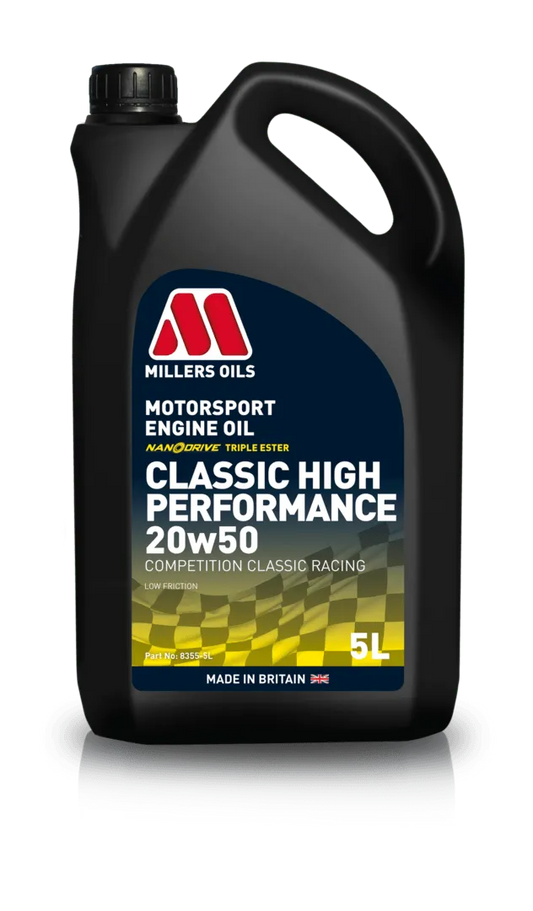
Older engines are more susceptible to oil consumption and leaks. Moreover, many classic engines use components such as flat tappets, which require protection from oils containing sufficient ZDDP (zinc) .
Recommended Millers Oils:
-
Pistoneeze 20W50 – perfect all-round oil for classic cars
-
Classic Sport 20W50 – extra protection for performance-oriented or hot-running engines
-
Classic Preservation Oil 20W50 – ideal for winter storage or longer periods of inactivity
Cooling system
Classic cooling systems often contain copper, brass, and iron. Not every modern coolant protects these materials—some can even cause corrosion.
Recommended Evans Coolant .
Check regularly:
-
levels
-
hoses and clamps
-
leaks around pump and radiator
Brake fluid
Because brake fluid attracts moisture, it can cause corrosion in brake cylinders and lines over time. This risk is greater in older vehicles.
Recommended Millers Oils:
-
DOT 4 Brake Fluid – compatible with most conventional brake systems.
Annual replacement remains a must.
Care for tires and wheels
Tyres
Classic cars are often used less regularly, which means that tires age faster than they wear out.
NB:
-
correct tire pressure
-
dehydration and cracks
-
deformation when standing still for long periods
-
rotate regularly for even wear
Wheels
The type of wheel determines the maintenance:
-
Steel wheels can rust, especially around the bolt holes
-
Spoke wheels require periodic checking for tension and alignment, often by a specialist
Brakes: inspection and adjustment
Classic brake systems function differently than modern brakes.
Drum brakes
These questions:
-
timely adjustment for correct pedal pressure
-
checking brake shoes
-
inspection of wheel brake cylinders for leakage
Brake booster
For vehicles with a vacuum brake booster, a simple test is recommended:
-
Pump the brake a few times with the engine off.
-
Hold the pedal down and start the engine.
-
Does the pedal drop slightly? Then the booster is working properly.
Protection during longer downtime
Good preparation prevents many problems when your classic car is not used daily.
Recommended products:
-
Millers Classic Preservation Oil – prevents internal rust and dry running
-
Millers Classic Tank Safe – stabilizes fuel and protects against ethanol problems
Additional recommendations:
-
Fill the tank completely
-
Increase tire pressure slightly
-
Connecting the battery to a trickle charger
-
Store the vehicle in a dry, well-ventilated area
Conclusion
A classic car requires specific care and regular maintenance, but with the right approach, your classic car will remain reliable, safe, and in excellent condition. By using suitable lubricants and cooling products, you protect both mechanical components and the character of your vehicle.
At The Oldtimer Factory Supply, you'll find a complete range of Millers Oils products perfectly suited to the needs of classic vehicles. This allows you to maintain your classic car with confidence and expertise.


